Introduction to Kerala: The Land of Serenity
Kerala, often referred to as “God’s Own Country,” is a picturesque state located on the southwestern coast of India. Renowned for its stunning natural landscapes, Kerala offers a sanctuary for those seeking tranquility and peace of mind. With its lush green backwaters, tranquil beaches, and verdant hills, this region presents an idyllic setting that captivates the hearts of travelers from around the globe.
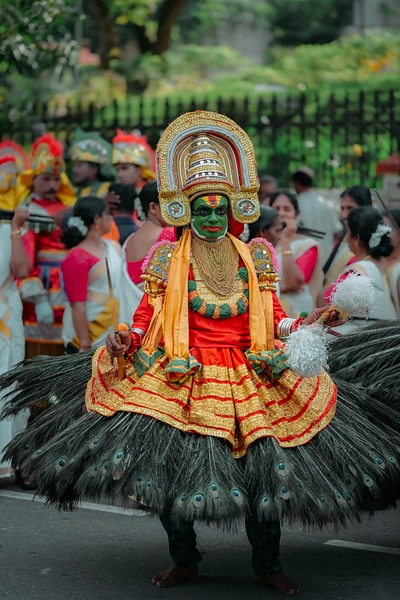
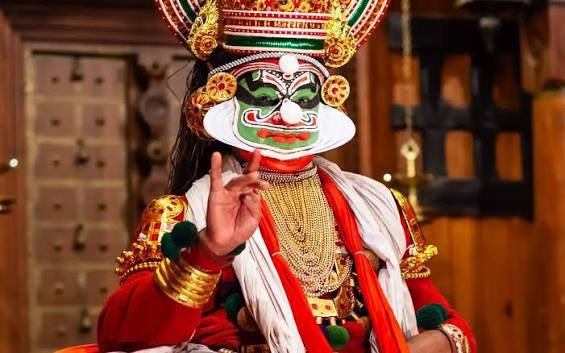
The rich cultural tapestry of Kerala further enhances its appeal as a premier travel destination. The state is a melting pot of various art forms, traditions, and festivals, showcasing a unique blend of influences from different communities. Visitors can immerse themselves in the cultural heritage of Kerala by attending vibrant festivals like Onam or by witnessing traditional art forms like Kathakali and Mohiniyattam, which reflect the artistic spirit of the land.
Moreover, Kerala’s lifestyle is deeply intertwined with the principles of Ayurveda and yoga, further promoting wellbeing among its residents and visitors alike. The serene atmosphere, coupled with the abundance of Ayurvedic resorts and wellness centers, makes it a haven for those seeking rejuvenation and relaxation. Travelers are drawn to the state’s holistic approach to health, with natural therapies seamlessly integrating into daily life.
In addition to its scenic beauty and rich cultural heritage, Kerala boasts a diverse ecosystem that is home to a variety of flora and fauna. From the tranquil backwaters to the sprawling tea plantations of Munnar, every corner of this state offers a unique experience that invites exploration and discovery. Thus, Kerala stands as an unparalleled travel destination that promises serenity and depth, drawing people looking for peace and connection with nature.
Best Time to Visit Kerala
Kerala, known as “God’s Own Country,” showcases a tropical climate marked by distinct seasons. The best time to visit Kerala largely depends on the type of experience travelers seek, whether it be leisure, adventure, or cultural immersion. Generally, the ideal months for most visitors range from October to March.
During the post-monsoon season from October to February, Kerala experiences mild weather, characterized by lower humidity and pleasant temperatures averaging between 18°C to 32°C. This period is particularly ideal for those looking to unwind on serene beaches or explore the lush backwaters. The famous houseboat cruises in Alleppey gain more attention during this time due to the comfortable weather, enhancing the overall leisure experience.
For adventure enthusiasts, the pre-monsoon months of March to May present unique opportunities like trekking in the Western Ghats or engaging in wildlife safaris in the Periyar Wildlife Sanctuary, as the region is vibrant with flourishing flora and fauna. However, temperatures can soar during these months, often reaching up to 38°C, so adequate planning and hydration are crucial.
The monsoon season, spanning from June to September, transforms Kerala into a lush green landscape. While the heavy rains may deter some tourists, this period offers a unique perspective on Kerala’s beauty, particularly for those interested in Ayurvedic treatments and wellness retreats. The quieter ambiance combined with rejuvenating experiences makes monsoon travel appealing for a niche segment of visitors.
In conclusion, the best time to visit Kerala truly depends on individual preferences. Whether seeking tranquil leisure, thrilling adventures, or transformative cultural experiences, travelers can find suitable options throughout the year, making Kerala a versatile destination that caters to varied interests.
Top Places to Visit in Kerala

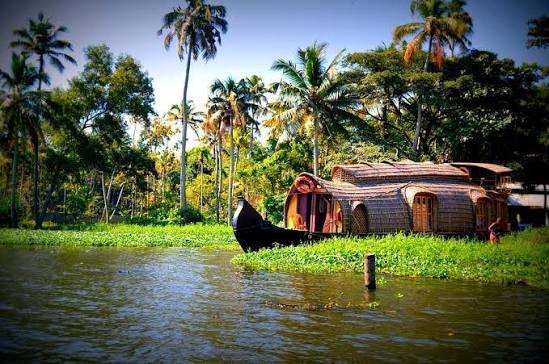
Kerala, renowned for its lush landscapes and serene backwaters, offers a variety of destinations that cater to different interests. One of the must-visit places is Alleppey, often referred to as the “Venice of the East.” With its intricate network of canals and houseboat cruises, Alleppey provides unique opportunities for travelers to immerse themselves in the tranquil scenery and vibrant local culture. Visitors can enjoy traditional Kerala cuisine while cruising on the backwaters, making it an ideal spot for both relaxation and adventure.
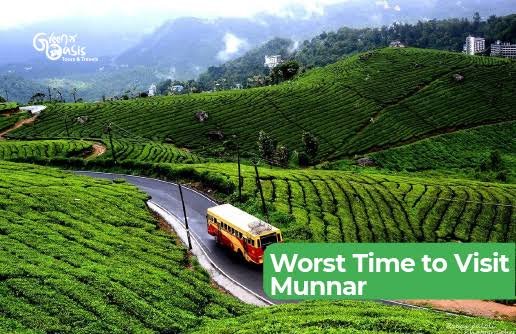
Munnar is another key destination noted for its sprawling tea plantations and cool climate. Nestled in the Western Ghats, Munnar offers breathtaking views and numerous trekking opportunities for nature enthusiasts. The region is teeming with biodiversity, including the rare Neelakurinji flower, which blooms once every twelve years, drawing tourists from around the world.

Kochi, also known as Cochin, is a vibrant port city steeped in history and culture. The amalgamation of various cultures is evident in its architecture, with influences from Portuguese, Dutch, and British colonization. Key attractions in Kochi include the historic Fort Kochi area, the Chinese fishing nets, and the Jewish Synagogue, which reflect the city’s rich maritime history.

Lastly, Thekkady beckons with its stunning Periyar National Park, where visitors can embark on wildlife safaris and enjoy the beauty of its diverse flora and fauna. Thekkady is an ideal venue for adventure seekers, offering activities such as bamboo rafting and mountain treks. The serene ambiance and picturesque landscapes provide ample opportunity for relaxation amidst nature.
Each of these destinations showcases the unique natural beauty and cultural significance of Kerala, making them essential stops on any traveler’s itinerary.
Exploring Kerala’s Backwaters

The backwaters of Kerala are a mesmerizing network of lagoons, lakes, and canals that provide visitors with an opportunity to experience the serene beauty of this southern Indian state. Often described as a unique ecosystem, these waterways are an integral part of Kerala’s culture and lifestyle, showcasing its rich biodiversity and vibrant local communities.
One of the best ways to immerse oneself in the allure of Kerala’s backwaters is through a houseboat stay. These traditional houseboats, known as *kettuvallams*, are crafted from natural materials and are designed to glide smoothly along the tranquil waters. Traveling on a houseboat allows guests to witness the lush landscape, with coconut palms swaying gently in the breeze and small villages dotting the shoreline. As you drift along, the soothing sound of water lapping against the boat creates an atmosphere of tranquility that is truly unmatched.
Additionally, the culinary experience along the backwaters is equally captivating. Visitors have the chance to indulge in authentic Kerala cuisine, featuring dishes that highlight the region’s abundant seafood, coconut, and spices. Many houseboat operators offer guests freshly prepared meals, allowing you to savor local delicacies while enjoying breathtaking views. This dining experience is perfectly complemented by the slow pace of life on the waters, where time seems to stand still.
Moreover, the unique ecosystems found along the backwaters host a diverse range of flora and fauna. The interconnected waterways support various species, including migratory birds, fish, and other wildlife. Observing these natural habitats adds an enriching dimension to your visit, highlighting the importance of conservation in maintaining the ecological balance of this picturesque region. Exploring Kerala’s backwaters provides a deep connection with nature, making it a vital part of any journey to this breathtaking state.
Relaxation Retreats and Wellness Centers
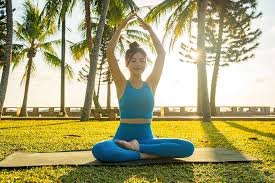
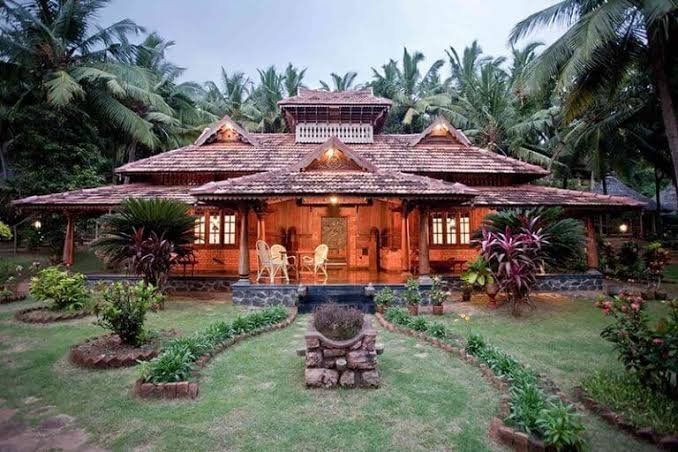
Kerala, often referred to as “God’s Own Country,” is renowned for its serene landscapes and tranquil atmosphere, making it an ideal destination for relaxation retreats and wellness centers. Among the most prominent aspects of wellness in Kerala is Ayurveda, a traditional system of medicine that focuses on holistic healing. Ayurvedic practices encapsulate a variety of therapeutic modalities, such as herbal treatments, dietary adjustments, and specialized massage therapies aimed at promoting physical, mental, and spiritual well-being.
Many wellness centers in Kerala are strategically located amidst lush greenery, offering a healing environment conducive to relaxation. These retreats often provide personalized treatment plans based on individual needs, emphasizing the significance of balance in life. Clients can experience treatments that include Abhyanga, a full-body oil massage that nurtures the skin and promotes relaxation while also improving circulation.
In addition to massage therapies, many Ayurvedic centers offer Panchakarma, a comprehensive detoxification process that aligns with Ayurvedic principles to purify the body. This may include various therapies tailored to eliminate toxins, reestablish health, and rejuvenate the mind and body. Yoga and meditation sessions are commonly integrated into these wellness programs, further enhancing the relaxation experience and fostering a deeper connection with oneself.
Furthermore, several retreats focus on the importance of diet, incorporating Ayurvedic culinary practices that utilize locally sourced ingredients. These meals not only support physical health but also aim to restore balance and vitality. With a range of treatments and luxurious accommodations, Kerala’s wellness retreats provide an unparalleled opportunity for relaxation and rejuvenation, focusing on all facets of well-being.
Local Cuisine: A Taste of Kerala
Kerala, known for its lush landscapes and serene backwaters, also boasts a rich culinary heritage that attracts food lovers from around the world. The local cuisine of Kerala is a vibrant tapestry of flavors and aromas, primarily influenced by its unique geography, cultural traditions, and abundant spices. An integral component of Keralite dining is the use of fresh ingredients, particularly seafood, vegetables, and aromatic spices, which are essential to the region’s signature dishes.
Among the must-try traditional dishes is Kerala Sadya, a sumptuous vegetarian feast typically enjoyed on festive occasions. This elaborate meal features a variety of dishes served on a banana leaf, including rice, lentil-based curries, and various chutneys. The use of coconut, both grated and as milk, is prevalent in many recipes, adding a distinct flavor to the preparations. Another iconic dish is Fish Moilee, a coconut milk-based curry that encapsulates the essence of the region’s seafood cuisine, often accompanied by appam, a soft rice pancake.
The use of spices such as cardamom, pepper, and turmeric highlights the importance of aromatic flavorings in Kerala cooking. They not only elevate the taste of dishes but also carry health benefits, making the cuisine both delightful and nutritious. Local markets, where spices and fresh produce abound, offer a glimpse into the heart of Keralite culinary culture. For a truly authentic experience, restaurants like Supriya’s in Kochi and Villa Maria in Munnar are renowned for their dedication to traditional recipes and local ingredients.
In conclusion, Kerala’s culinary landscape is more than just food; it is a reflection of the state’s rich cultural heritage. From the diverse flavors of its traditional dishes to the idyllic settings of local eateries, exploring Kerala’s cuisine is an essential part of the overall travel experience. Travelers should embrace this culinary journey, ensuring they savor each bite for a fuller understanding of Kerala’s vibrant culture.
Adventure Activities in Kerala

Kerala, often referred to as “God’s Own Country,” is not only renowned for its serene backwaters and picturesque landscapes but also offers a plethora of adventure activities that cater to thrill-seekers and nature enthusiasts. One of the most popular pursuits is trekking, with the Western Ghats providing numerous trails that lead through lush forests, tea plantations, and diverse wildlife. Locations such as Munnar and Wayanad are perfect for trekking, offering varying levels of difficulty to suit both beginners and experienced hikers.
Another exhilarating activity available in Kerala is paragliding, which allows adventurers to experience breathtaking aerial views of the state’s scenic beauty. Key locations for paragliding include Vagamon and Malakkappara, where experienced instructors ensure safety while providing participants with a memorable flight above the hills and lush valleys.
Wildlife safaris also present an exciting way to explore Kerala’s natural wonders. The Periyar Wildlife Sanctuary and Wayanad Wildlife Sanctuary are notable destinations where visitors can observe a range of animals, including elephants, tigers, and various species of birds, all in their natural habitat. It is advisable to join guided tours for safaris to ensure safety and enhance the overall experience.
Before engaging in any adventure activity, it is crucial to prioritize safety. Always check the suitability of the equipment and choose reputable companies that adhere to safety standards. Additionally, being physically prepared and following the guidance of instructors can significantly enhance the adventure experience while minimizing risks.
With its diverse range of adventure activities, Kerala serves as a perfect destination for those looking to combine leisure with adrenaline-pumping experiences, making every trip truly unforgettable.
Cultural Experiences and Festivals in Kerala
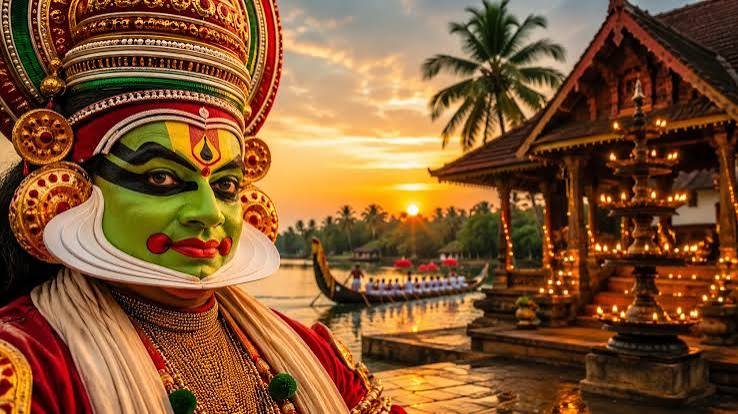
Kerala, often referred to as “God’s Own Country,” boasts a rich cultural tapestry that reflects the diverse history and traditions of its people. The cultural experiences available to visitors are plentiful, encompassing traditional art forms, dance, and annual festivals that vibrantly showcase the heritage of the region.
One of the most distinctive features of Kerala’s culture is its classical dance forms. Kathakali, characterized by elaborate makeup and intricate costumes, narrates stories from mythological texts. Performances often take place in temples and cultural centres, allowing visitors to appreciate the rhythm, storytelling, and artistry that define this ancient art form. Another popular dance form, Mohiniyattam, presents graceful movements and lyrical expressions, typically performed by women, representing themes of love and devotion.
Kerala’s festivals are a reflection of its cultural diversity and play a significant role in fostering community spirit. Onam, the harvest festival, is a multi-day celebration that includes traditional feasts, intricate flower arrangements known as “Pookalam,” and traditional games. Visitors can immerse themselves in the vibrant festivities, offering insights into local traditions and gastronomy. Another noteworthy festival is Vishu, celebrated as the New Year, marked by the viewing of the first sight of the auspicious Vishukani. Both of these festivals present a unique opportunity for outsiders to engage with local customs and celebrate alongside the residents.
In addition to these lively festivals and captivating dance performances, visitors can explore Kerala through its traditional artisan crafts. Artisanal works, such as handwoven textiles, pottery, and intricate wood carvings, contribute to the region’s distinct identity. This cultural heritage is not only an attraction but also a means of supporting local craftsmen, ensuring that these traditions endure.
As travelers navigate through Kerala, they will find that engaging with the local culture greatly enhances their overall experience. From attending cultural performances to participating in vibrant festivals, each encounter invites a deeper understanding of the harmonious blend of art, tradition, and community that defines Kerala.
Sample Itinerary for a Perfect Kerala Trip
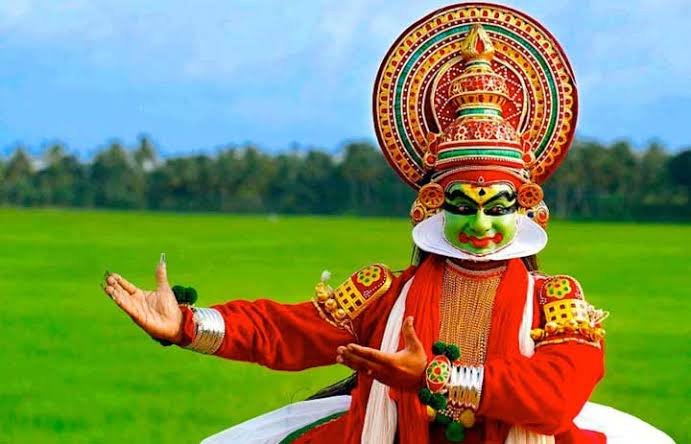
Planning a one-week trip to Kerala, often referred to as “God’s Own Country,” can be an enriching experience filled with stunning landscapes, cultural immersion, and spiritual tranquility. Below is a suggested itinerary that covers key destinations while ensuring balanced exploration and relaxation.
Day 1: Arrival in Kochi
Begin your journey in Kochi, a vibrant city known for its colonial architecture and trading history. After arrival, check into your hotel and unwind. In the evening, take a stroll along Fort Kochi Beach and experience the mesmerizing sunset. Enjoy a traditional Kerala meal at a local restaurant.
Day 2: Kochi Sightseeing
Dedicate this day to explore Kochi’s key attractions, including the Chinese Fishing Nets, Mattancherry Palace, and St. Francis Church. Consider a guided tour to gain deeper insights into each historical site’s significance. In the evening, treat yourself to a Kathakali performance, a traditional dance form of Kerala.
Day 3: Alleppey Backwaters
Travel to Alleppey, the quintessential backwater destination. Hire a houseboat for a serene ride through the emerald waterways. Savor local delicacies prepared on board and absorb the calming sights of coconut groves and village life along the banks.
Day 4: Munnar Hills
From Alleppey, head to Munnar, known for its lush tea plantations and cool climate. Take a guided tour of the tea estates and visit the tea museum to learn about tea processing. Don’t forget to hike to Anamudi Peak, the highest point in South India.
Day 5: Thekkady Wildlife Sanctuary
Travel to Thekkady to experience the lush Periyar Wildlife Sanctuary. Engage in activities such as bamboo rafting or nature walks to immerse yourself in the rich flora and fauna. In the evening, enjoy a cultural show featuring local music and dance.
Day 6: Kovalam Beach
Journey to Kovalam, a renowned beach destination. Spend the day sunbathing or indulging in Ayurvedic treatments at one of the seaside resorts. Watch the sunset at the lighthouse beach to wrap up your day.
Day 7: Departure
Before departing, take some time to shop for souvenirs and local handicrafts. Enjoy a last meal of authentic Kerala cuisine. Prepare for your departure from Kochi, cherishing the peace and tranquility experienced throughout your Kerala adventure.
Leave a Reply