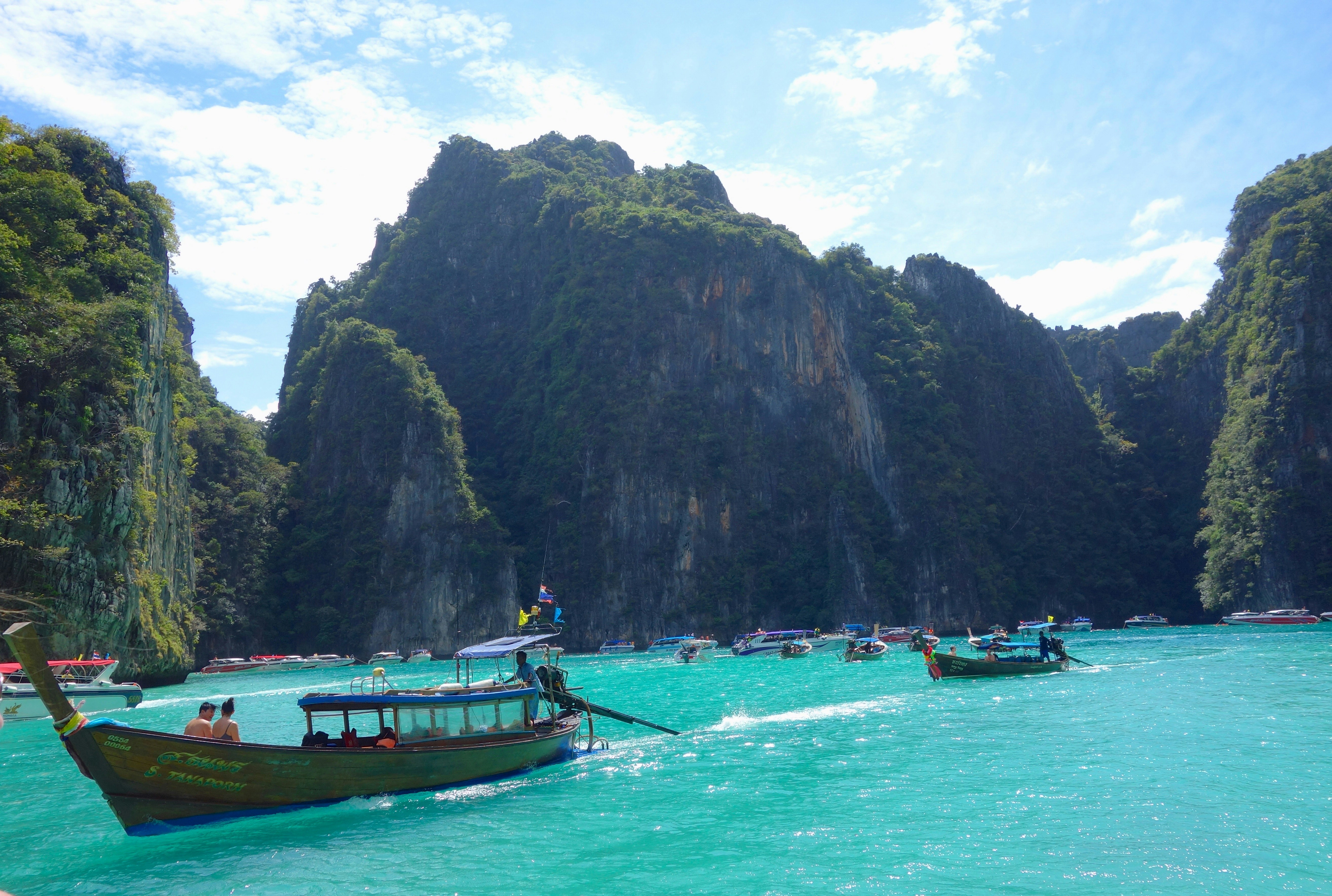
Introduction to Thailand
Thailand, often known as the Land of Smiles, is an enchanting destination that offers travelers a rich tapestry of culture, breathtaking landscapes, and vibrant urban life. With its unique blend of ancient traditions and modernity, Thailand stands out as one of the premier travel destinations in Southeast Asia. The country’s culture is deeply rooted in history, evident in its magnificent temples, royal palaces, and annual festivals that celebrate both religion and tradition.
One of the most appealing aspects of Thailand is its stunning natural beauty. From the lush green mountains of the north to the picturesque islands and tropical beaches in the south, Thailand offers a diverse range of landscapes. Places like Chiang Mai boast pristine natural parks, while the famous islands of Phuket and Koh Samui are renowned for their crystal-clear waters and stunning sunsets. Each region in Thailand offers a unique experience that caters to various interests, whether one seeks adventure, relaxation, or cultural immersion.
In addition to its picturesque scenery, Thailand’s warm hospitality is legendary, making visitors feel welcomed and embraced. This friendly atmosphere is complemented by the country’s delectable cuisine, which is characterized by its vibrant flavors and use of fresh ingredients. Famous dishes such as Pad Thai, Tom Yum Goong, and Som Tum tantalize the taste buds and reflect Thailand’s regional diversity. Food enthusiasts will find infinite opportunities to enjoy street food and fine dining alike.
In summary, Thailand’s rich culture, stunning landscapes, and warm hospitality make it an exceptional travel destination. With its inviting ambiance and culinary delights, it promises an unforgettable experience for every traveler.
Best Time to Visit Thailand
Thailand is a country characterized by its tropical climate, which can be divided into three distinct seasons: the cool season, the hot season, and the rainy season. Understanding these seasons is essential for travelers aiming to have the most enjoyable experience while exploring the rich cultural heritage and natural beauty of Thailand.
The cool season, which spans from November to February, is widely regarded as the best time to visit Thailand. During these months, the weather is relatively pleasant, with lower humidity and cooler temperatures generally ranging between 20°C to 30°C (68°F to 86°F). This period also coincides with a multitude of local festivals, such as the New Year celebrations and the famous Loy Krathong festival, where locals release decorated floats into rivers, symbolizing the washing away of misfortunes.
Following the cool season is the hot season, which lasts from March to May. This period can be sweltering, with temperatures sometimes exceeding 35°C (95°F). While the heat may deter some tourists, this is also when the Songkran festival occurs in mid-April, marking the traditional Thai New Year. The festival is celebrated nationwide with water fights, attracting both locals and visitors alike.
The rainy season in Thailand runs from June to October and is characterized by heavy monsoon rains, especially in the central and northern regions. While the weather can be unpredictable, this season has its advantages, such as fewer tourists, lower accommodation rates, and lush greenery that enhances the natural beauty of the country. Travelers willing to navigate the rain may still enjoy Thailand’s rich culture and breathtaking landscapes.
Ultimately, the best time to visit Thailand varies depending on personal preferences, but traveling during the cool season is typically advised for optimal weather and festive experiences.
Must-Visit Destinations in Thailand
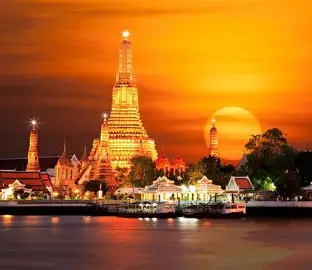
Thailand, known for its rich cultural heritage and stunning landscapes, offers an array of destinations that cater to various interests. One of the must-visit locations is Bangkok, the vibrant capital city. Here, visitors can explore the magnificent Grand Palace, home to the Emerald Buddha, and Wat Pho, famed for its reclining Buddha statue. The city’s bustling markets and street food scenes, particularly in areas like Chinatown, showcase Thailand’s culinary delights, making it an essential experience for any traveler.

Moving north, Chiang Mai provides a contrast to the urban chaos of Bangkok. It is renowned for its ancient temples such as Wat Phra That Doi Suthep, which offers panoramic views of the city. Chiang Mai is also famous for its traditional night bazaars and cultural festivals, including the Yi Peng Lantern Festival, where thousands of lanterns illuminate the night sky, reflecting the city’s unique cultural significance. Outdoor enthusiasts can take advantage of the surrounding mountainous regions, engaging in activities like trekking and zip-lining.
Another destination deserving of attention is Phuket, Thailand’s largest island, known for its stunning beaches and vibrant nightlife. Visitors can relax on Patong Beach or explore the more tranquil beaches such as Kata and Karon. Phuket also serves as a gateway to nearby islands, including the Phi Phi Islands, famous for their crystal-clear waters and snorkeling opportunities. The island’s cultural scene shines through in its many Buddhist temples, including Wat Chalong, illustrating the blend of relaxation and spirituality available to tourists.
Lastly, Krabi showcases some of Thailand’s most stunning natural scenery, with limestone cliffs and clear waters. Railay Beach, accessible only by boat, is renowned for both its beauty and rock climbing opportunities. Additionally, the nearby islands of Koh Hong and Koh Poda offer breathtaking beaches and excellent snorkeling spots. Each of these destinations contributes to the diverse tapestry of experiences that Thailand has to offer, ensuring that visitors encounter the country’s natural beauty and cultural depth.
Sample 10-Day Itinerary
Exploring Thailand offers an array of diverse experiences, from its vibrant cities to serene beaches. Below is a suggested 10-day itinerary encouraging travelers to immerse themselves in both the cultural and natural beauty of this Southeast Asian gem.
Day 1: Arrival in Bangkok – Begin your adventure in the capital city, Bangkok. After checking into your hotel, visit the majestic Grand Palace and Wat Phra Kaew, home to the Emerald Buddha. In the evening, wander along the lively Khao San Road for dinner and a taste of local nightlife.
Day 2: Cultural Bangkok – Dedicate this day to exploring more renowned temples. Start with Wat Pho where the reclining Buddha resides, followed by a traditional long-tail boat ride through the city’s canals. In the afternoon, visit the Jim Thompson House for insights into Thai silk and architecture.
Day 3: Ayutthaya Day Trip – Take an early train to Ayutthaya, the ancient capital of Thailand. Marvel at the ruins of Wat Mahathat and Wat Phra Si Sanphet. Consider cycling around the historic park to fully appreciate the expansive heritage of this UNESCO World Heritage Site.
Day 4: Chiang Mai – Fly to Chiang Mai in the morning. Visit Doi Suthep Temple, which offers panoramic views of the city. Enjoy an evening at the famous Night Bazaar, perfect for shopping and practicing bargaining skills.
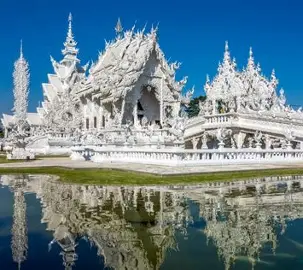
Day 5: Elephant Sanctuary – Experience the ethical treatment of elephants by visiting a sanctuary near Chiang Mai. Participate in feeding, bathing, and learning about these magnificent creatures.
Day 6: Pai – Travel to Pai, a charming town known for its relaxed atmosphere. Explore the Pai Canyon and visit the hot springs for a relaxing afternoon. Spend the evening enjoying live music at local cafes.
Day 7: Return to Chiang Mai – Return to Chiang Mai, allowing time for a cooking class where you will learn to create traditional Thai dishes. This hands-on experience deepens your understanding of the culinary arts in Thai culture.
Day 8: Krabi – Fly from Chiang Mai to Krabi to enjoy stunning beaches. Spend the day relaxing at Railay Beach, known for its beautiful cliffs and azure waters. Indulge in some water sports or simply soak up the sun.
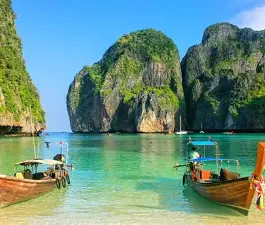
Day 9: Island Hopping – Take a boat tour to explore the nearby islands, such as Koh Phi Phi and Hong Island. Snorkel in vibrant coral reefs and enjoy the breathtaking scenery.
Day 10: Departure – Enjoy your final day at leisure in Krabi. Before heading to the airport, consider visiting Ao Nang for last-minute shopping or relaxation at the beach. Depart with unforgettable memories of Thailand.
Transportation in Thailand
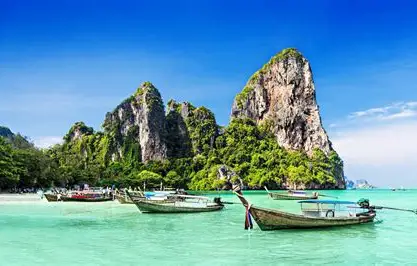
Thailand offers a wide array of transportation options for tourists, allowing easy movement across its diverse landscapes. Exploring the country entails understanding the various modes of transport available, each suited to different travel needs and preferences.
Air travel is the quickest way to cover long distances, with major airlines operating domestic flights between cities such as Bangkok, Chiang Mai, and Phuket. Suvarnabhumi Airport serves as a hub, making it convenient for travelers to connect to various destinations. For those traveling to less urban areas, smaller regional airports and budget carriers like AirAsia provide affordable options.
For intercity travel, the train system is both efficient and comfortable. The State Railway of Thailand operates a network of trains that vary in speed and amenities. While the overnight sleeper trains offer a unique travel experience, high-speed services like the express trains provide quick transfers between key cities. Booking tickets in advance is advisable during peak tourist seasons to ensure availability.
Buses are another popular and economical means of transportation. They connect cities and tourist hotspots, with several private operators offering comfortable seat options. In urban areas, local buses, along with the Mass Rapid Transit (MRT) and Bangkok Skytrain (BTS), facilitate easy city navigation. These systems are well-marked and affordable, making them ideal for travelers looking to explore metropolitan areas extensively.
Finally, considering the abundance of waterways, boats are an integral part of Thai transportation. Ferries and long-tail boats operate in cities along the coast and canals, providing picturesque journeys. Particularly in Bangkok, boat services along the Chao Phraya River allow tourists to enjoy the city from a different perspective while avoiding traffic congestion.
In summary, Thailand’s transportation network comprises various options, ensuring efficient travel from bustling cities to serene islands. Understanding these modes will enhance your travel experience, allowing you to explore this vibrant country with ease.
Thai Cuisine: What to Eat
Thai cuisine is renowned worldwide for its vibrant flavors and aromatic spices, making it a rich culinary experience that travelers should not miss. To truly savor the essence of Thailand, indulging in must-try dishes is essential. Top among these is Pad Thai, a beloved stir-fried noodle dish made with rice noodles, shrimp or chicken, eggs, and a distinctive sweet and tangy sauce, garnished with crushed peanuts and lime.
Another iconic dish is Tom Yum Goong, a hot and sour soup featuring fresh shrimp, fragrant herbs, and spices that embody the quintessential taste of Thailand. For those who enjoy curry, Green Curry (Gaeng Keow Wan) is a harmonious blend of coconut milk, green curry paste, vegetables, and either chicken or tofu, providing a delightful balance of heat and creaminess.
Street food culture is an integral aspect of Thai cuisine. Sample local favorites like Som Tum, a spicy green papaya salad, and Satay, skewers of grilled meat served with peanut sauce. Markets such as Chatuchak Weekend Market in Bangkok and the Night Bazaar in Chiang Mai offer a vast array of street food options, where visitors can taste authentic Thai delicacies.
For an immersive dining experience, consider visiting establishments like Raan Jay Fai, known for its Michelin-starred street food, to savor dishes prepared in a traditional method. Alternatively, Thip Samai is celebrated for its exceptional Pad Thai, while Savoey Seafood offers a wide selection of fresh seafood dishes. These dining venues, combined with the local street food scene, guarantee an unforgettable culinary journey through Thai flavors.
Cultural Etiquette and Tips
When traveling to Thailand, understanding and respecting the local culture is essential for a meaningful and engaging experience. One of the most important aspects of Thai culture is the emphasis on respect and politeness. Visitors should take note of certain cultural norms to ensure a positive interaction with the local community.
A vital etiquette rule involves dress codes, especially when visiting temples and sacred sites. Tourists are expected to dress modestly, covering shoulders and knees. For both men and women, wearing long pants and sleeved shirts is advisable. Additionally, it is customary to remove shoes before entering temple buildings; therefore, wearing easy-to-remove footwear can enhance convenience.
Another key component of Thai etiquette is the use of respectful gestures and body language. The traditional Thai greeting, known as the “wai,” involves placing the palms together in a prayer-like position while slightly bowing the head. This gesture is commonly used to greet individuals and is expected in interactions with elders or as a sign of respect. It is important to respond to a “wai” with a similar gesture, particularly when acknowledging someone of higher status.
When interacting with locals, using simple phrases in Thai can foster goodwill. Greetings like “Sawasdee” (hello) and “Khob khun khrap/kha” (thank you, with “khrap” used by men and “kha” used by women) are appreciated. Familiarizing oneself with a few basic terms can provide a richer experience and open doors to warm interactions with local residents.
In conclusion, showing respect for Thai customs and traditions, through appropriate dress codes, gestures, and language, can significantly enhance your travel experience. Embracing these aspects of cultural etiquette will not only develop mutual respect but also enable travelers to forge lasting connections with the vibrant culture of Thailand.
Adventurous Activities in Thailand
Thailand boasts an array of exhilarating activities that cater to thrill-seekers, ranging from captivating island hopping to treks through lush jungles. For those looking to experience the picturesque islands of Thailand, destinations like Koh Phi Phi, Koh Samui, and Koh Tao offer stunning vistas and vibrant marine life. Island hopping tours allow visitors to explore multiple locations, providing opportunities for snorkeling, diving, and basking on pristine beaches. The clear waters, filled with colorful coral reefs, make these activities appealing to ocean enthusiasts.
For an adventure inland, jungle trekking in northern Thailand presents a unique opportunity to experience the breathtaking wilderness. Participants can discover the rich biodiversity of places like Chiang Mai and Pai, where guided treks lead you through dense forests, past cascading waterfalls, and to local hill tribe villages. This immersion not only provides a physical challenge but also grants insight into the diverse cultures that thrive in Thailand’s mountainous regions.
Moreover, zip-lining through the treetops is another thrilling activity that is gaining popularity. Locations such as Flight of the Gibbon in Chiang Mai offer adrenaline-pumping experiences combined with the chance to witness the stunning natural beauty from above. This exhilarating perspective allows participants to appreciate the vibrant flora and fauna of the rainforest while experiencing the rush of soaring through the canopy.
Additionally, rock climbing in Krabi, particularly around Railay Beach, draws adventurers from around the globe. The dramatic limestone cliffs provide routes for varying skill levels, making it an ideal setting for both beginners and seasoned climbers alike. Off-the-beaten-path options include exploring the lesser-known caves or taking part in a kayaking adventure through the mangroves of Phang Nga Bay, which is often less crowded yet equally mesmerizing.
Conclusion and Final Thoughts
As we conclude our exploration of Thailand, it is evident that this vibrant destination offers an abundance of experiences that cater to a wide range of travelers. From the bustling streets of Bangkok, where modernity meets tradition, to the serene beaches of the islands, every facet of Thailand presents a unique aspect of its culture and beauty. Travelers can immerse themselves in the rich history, savor the tantalizing flavors of authentic Thai cuisine, and engage with the warm hospitality of the locals.
Throughout this itinerary, we have highlighted several key destinations that should be on every visitor’s list, including Chiang Mai, Phuket, and the historical wonders of Ayutthaya. Each location provides a window into the diverse landscapes and cultural heritage that define Thailand. To make the most of your journey, it is advisable to conduct further research on transportation options, local customs, and seasonal weather patterns to ensure an enjoyable experience.
Furthermore, be open to spontaneity—some of the most memorable moments often arise from unexpected encounters or detours. Engage with local communities, join traditional festivals, or explore hidden temples. Such interactions will deepen your understanding of Thailand’s rich cultural fabric.
In essence, Thailand is more than just a travel destination; it is a journey into a world filled with breathtaking beauty, diverse cultures, and enriching experiences. We encourage readers to embark on this adventure with an open heart and mind, ready to embrace all that Thailand has to offer. Whether it’s your first visit or a return to this enchanting land, each experience will be uniquely unforgettable.

Leave a Reply